
A Major Treatment Gap in Advanced Osteoarthritis
Many patients with advanced disease face difficult choices between short-lived symptom management and invasive surgery.
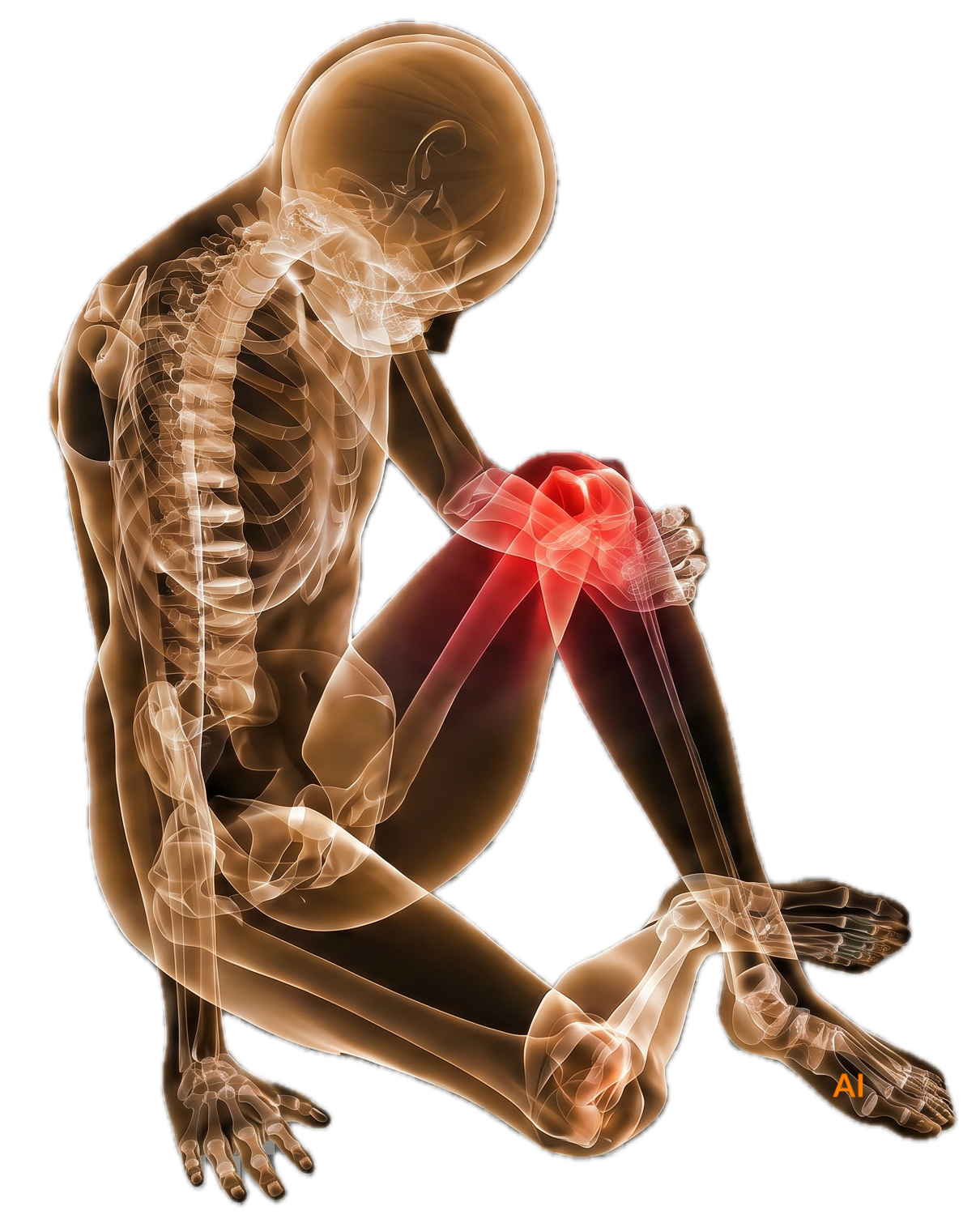
As osteoarthritis progresses, exercise, medication, and injections often become less effective. For many patients, joint replacement surgery is often the only remaining option, even if patients and physicians would prefer a less invasive approach.
This highlights the need for a widely available, bone-preserving treatment method for advanced disease.
Osteoarthritis is a growing global burden
In 2020, osteoarthritis affected an estimated 600 million people worldwide, and the number is projected to approach 1 billion by 2050.
In advanced stages, patients often experience chronic pain, bone-on-bone grinding, and severe loss of mobility and independence.
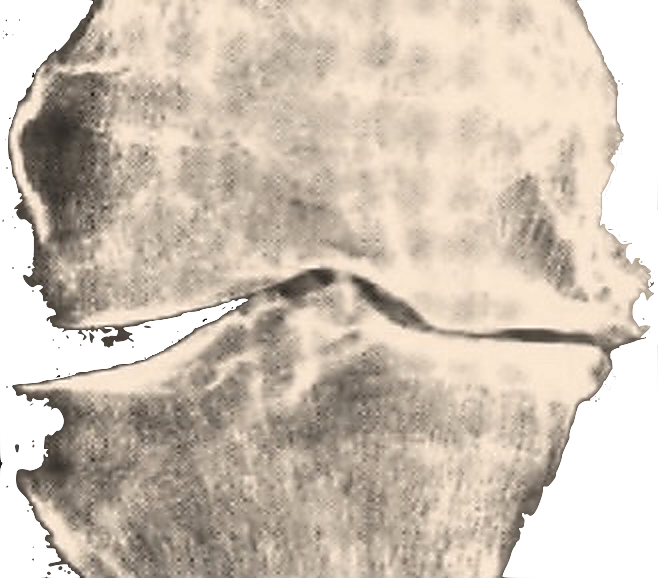
Current pathways are limiting
While total knee arthroplasty can be effective in appropriate cases, it requires bone resection, permanently alters the joint, and can make later revisions riskier and more costly.
Preservation matters
Approaches that preserve as much of the native joint better match how many patients and physicians think about treatment progression.
Why this is urgent
With osteoarthritis prevalence rising worldwide, the clinical, functional, and economic burden is becoming an increasingly urgent issue that must be addressed.